
/
Dogodki
/
Konference
Asian monsoon research under the climate change
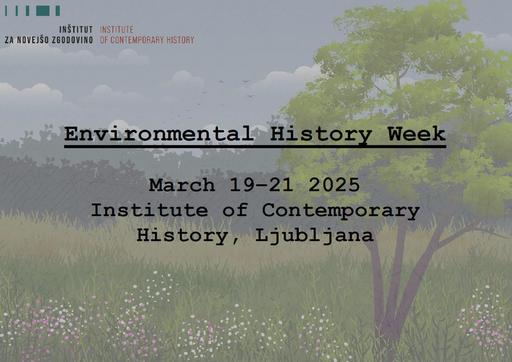

To delo avtorja Toru Terao je ponujeno pod Creative Commons Priznanje avtorstva-Nekomercialno-Deljenje pod enakimi pogoji 4.0 Mednarodna
Datoteke (1)
Opis
The Asian monsoon climate determines the living conditions of people living in and around Asia. It brings resources that can sustain billions of people. But it also brings many natural disasters such as floods, tropical cyclones and droughts. Recently, global climate change has been affecting the Asian monsoon system. Understanding the Asian monsoon and its variability is now crucial for climate projections under global warming. This talk will present various aspects of recent Asian monsoon research, based on the activities of the Asian Precipitation Experiment (AsiaPEX) and my own recent work. Furthermore, in order to objectively compare the Asian monsoon climate with other climatic zones, we tried to define yet another climate clustering based on an objective clustering method based on the annual variation of temperature and precipitation at each 5-min grid of the globe. We used a global monthly climate dataset based on climate model calculations and a k-mean clustering algorithm. We showed that we can define a reasonable climate classification using an objective method. We found a large difference between Asian and European climate types, which is consistent with the traditional and partly subjective Koppen climate classification. We discuss the differences in climate patterns between these two regions, which are located on the western and eastern edges of Eurasia and belong to the temperate zone. In the Asian monsoon regions, some climatic types correspond well with the rice grown in different varieties. Such climates are difficult to find in the Eurasian climate classification. However, we can find several small regions that are similar to the Asian climate types where rice cultivation predominates. We then compared these climate types in detail. We also studied the distribution of population to understand the available and selected climatic area for humanity. We analysed land availability and population distribution in the precipitation-temperature space for Asian and Eurasian regions.
Metapodatki (11)
- identifikatorhttps://hdl.handle.net/11686/70671
- naslov
- Asian monsoon research under the climate change
- avtor
- Toru Terao
- predmet
- monsuni
- Azija
- podnebne spremembe
- okoljska zgodovina
- okolje
- opis
- The Asian monsoon climate determines the living conditions of people living in and around Asia. It brings resources that can sustain billions of people. But it also brings many natural disasters such as floods, tropical cyclones and droughts. Recently, global climate change has been affecting the Asian monsoon system. Understanding the Asian monsoon and its variability is now crucial for climate projections under global warming. This talk will present various aspects of recent Asian monsoon research, based on the activities of the Asian Precipitation Experiment (AsiaPEX) and my own recent work. Furthermore, in order to objectively compare the Asian monsoon climate with other climatic zones, we tried to define yet another climate clustering based on an objective clustering method based on the annual variation of temperature and precipitation at each 5-min grid of the globe. We used a global monthly climate dataset based on climate model calculations and a k-mean clustering algorithm. We showed that we can define a reasonable climate classification using an objective method. We found a large difference between Asian and European climate types, which is consistent with the traditional and partly subjective Koppen climate classification. We discuss the differences in climate patterns between these two regions, which are located on the western and eastern edges of Eurasia and belong to the temperate zone. In the Asian monsoon regions, some climatic types correspond well with the rice grown in different varieties. Such climates are difficult to find in the Eurasian climate classification. However, we can find several small regions that are similar to the Asian climate types where rice cultivation predominates. We then compared these climate types in detail. We also studied the distribution of population to understand the available and selected climatic area for humanity. We analysed land availability and population distribution in the precipitation-temperature space for Asian and Eurasian regions.
- založnik
- Inštitut za novejšo zgodovino
- datum
- 21. 03. 2025
- tip
- video
- jezik
- Slovenščina
- jeDelOd
- pravice
- licenca: ccByNcSa