
/
Dogodki
/
Konference
The role of citizen science in modern history
Examples of environmental citizen science
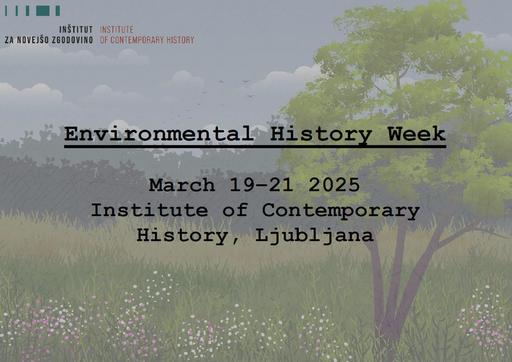

To delo avtorja Johanna Robinson je ponujeno pod Creative Commons Priznanje avtorstva-Nekomercialno-Deljenje pod enakimi pogoji 4.0 Mednarodna
Datoteke (1)
Opis
Environmental citizen science (CS) is playing a significant role in shaping contemporary history. It has democratized scientific research by enabling non-experts to actively participate in the scientific process. This participatory approach strengthens public trust in scientific institutions by making research more inclusive, accessible, and transparent while fostering a deeper connection between science and society. Furthermore, citizen science promotes scientific literacy and critical thinking, empowering individuals to engage with complex issues such as climate change. Traditionally, scientific discovery was confined to academic and institutional settings. However, the rise of digital technology, crowdsourcing, and open-access platforms has enabled widespread public participation, leading to groundbreaking discoveries, policy changes, and technological advancements. This contribution presents examples of environmental citizen science, focusing on air quality from the perspective of individual air pollution exposure, as well as community-based environmental learning about climate change through the study of pollinators. As the world faces pressing environmental challenges, the role of citizen science continues to expand, reinforcing its significance in shaping contemporary history.
Metapodatki (11)
- identifikatorhttps://hdl.handle.net/11686/70666
- naslov
- The role of citizen science in modern history
- Examples of environmental citizen science
- avtor
- Johanna Robinson
- predmet
- okolje
- občanska znanost
- znanost
- raziskave
- opis
- Environmental citizen science (CS) is playing a significant role in shaping contemporary history. It has democratized scientific research by enabling non-experts to actively participate in the scientific process. This participatory approach strengthens public trust in scientific institutions by making research more inclusive, accessible, and transparent while fostering a deeper connection between science and society. Furthermore, citizen science promotes scientific literacy and critical thinking, empowering individuals to engage with complex issues such as climate change. Traditionally, scientific discovery was confined to academic and institutional settings. However, the rise of digital technology, crowdsourcing, and open-access platforms has enabled widespread public participation, leading to groundbreaking discoveries, policy changes, and technological advancements. This contribution presents examples of environmental citizen science, focusing on air quality from the perspective of individual air pollution exposure, as well as community-based environmental learning about climate change through the study of pollinators. As the world faces pressing environmental challenges, the role of citizen science continues to expand, reinforcing its significance in shaping contemporary history.
- založnik
- Inštitut za novejšo zgodovino
- datum
- 19. 03. 2025
- tip
- video
- jezik
- Angleščina
- jeDelOd
- pravice
- licenca: ccByNcSa