/
Neobjavljeno
/
Umaknjene publikacije
Museum - Center for adult literacy education delivery in Nigeria, 2000-2010: An Assessment
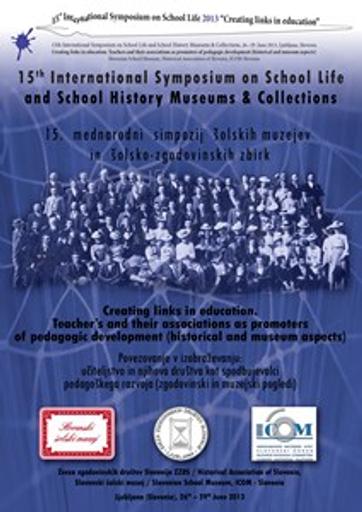
Avtor(ji):Moses Sunday Jayeola-Omoyeni
Soavtor(ji):Branko Šuštar (mod.)
Leto:2013
Založnik(i):Slovenski šolski muzej, Ljubljana, Zveza zgodovinskih društev Slovenije, Ljubljana, ICOM Slovenija, Celje, Inštitut za novejšo zgodovino, Ljubljana
Jezik(i):angleščina
Vrst(e) gradiva:video
Avtorske pravice:
To delo avtorja Moses Sunday Jayeola-Omoyeni je ponujeno pod Creative Commons Priznanje avtorstva-Nekomercialno-Brez predelav 4.0 Mednarodna
Datoteke (1)
Opis
The European colonial masters discovered that Nigeria had a high rate of adult illiteracy and thus
launched the first Mass Literacy Campaign in 1946. Efforts at combating the scourge of high rate of adult
illiteracy by government, non-governmental and voluntary organizations, Unesco and other bodies to promote
adult literacy education in Nigeria, did not yield any appreciable results. Open fields, market places etc., were
used as literacy centers to reach and teach the illiterates how to read and write in the printed word. The main
problem affecting the effective promotion of adult literacy education in Nigeria, is that of the withdrawal of
participants from the literacy centers after the initial enrolment. From the research conducted and being
reported in this paper, some community museums in Ekiti, Ondo and Osun states of Nigeria, were used as
literacy centers to complement the conventional literacy centers of the government and other agencies. Between
2000 and 2010, a total enrolment in the conventional literacy programme in those three states in Nigeria, was
37,648 with only 8,467 (22.5%) sustained to a nine month annual literacy graduation. But at the museum
literacy centers in the three states, a total enrolment of 4,084 from which 3,857( 94.4%) participants were
sustained. It is therefore seen that the community museums could be a valuable literacy center and thus
recommended its use and integration as effective sources for promoting adult literacy education in Nigeria.
Metapodatki (12)
- identifikatorhttps://hdl.handle.net/11686/20327
- naslov
- Museum - Center for adult literacy education delivery in Nigeria, 2000-2010: An Assessment
- Ayewo ile isenbaye se da oriko eko mooko - mooka ni orile ede Naijeria, 2000-2010
- avtor
- Moses Sunday Jayeola-Omoyeni
- soavtor
- Branko Šuštar (mod.)
- predmet
- zgodovina
- šolstvo
- muzej
- history
- school system
- museum
- opis
- The European colonial masters discovered that Nigeria had a high rate of adult illiteracy and thus launched the first Mass Literacy Campaign in 1946. Efforts at combating the scourge of high rate of adult illiteracy by government, non-governmental and voluntary organizations, Unesco and other bodies to promote adult literacy education in Nigeria, did not yield any appreciable results. Open fields, market places etc., were used as literacy centers to reach and teach the illiterates how to read and write in the printed word. The main problem affecting the effective promotion of adult literacy education in Nigeria, is that of the withdrawal of participants from the literacy centers after the initial enrolment. From the research conducted and being reported in this paper, some community museums in Ekiti, Ondo and Osun states of Nigeria, were used as literacy centers to complement the conventional literacy centers of the government and other agencies. Between 2000 and 2010, a total enrolment in the conventional literacy programme in those three states in Nigeria, was 37,648 with only 8,467 (22.5%) sustained to a nine month annual literacy graduation. But at the museum literacy centers in the three states, a total enrolment of 4,084 from which 3,857( 94.4%) participants were sustained. It is therefore seen that the community museums could be a valuable literacy center and thus recommended its use and integration as effective sources for promoting adult literacy education in Nigeria.
- Awon oyinbo a-munisin rii pe orile ede Naijeria ni ogooro agbalagba ti ko mooko-mooka lati igbati won ti da ilana eto eko tiwon sile ni odun 1842.Nidi eyi ,awon oyinbo wonyi se afilole eko kari-aye ni odun 1946. Gbogbo akitiyan ijoba ,awon ti ko rogboku le ijoba,awon miran,ati paapaa UNESCO, lati le din tabi le aimooko-mooka lo ni Naijeria,dabi pe ko so eso rere.Orisirisi ona ni ijoba lo lati le jeki awon alaimooko-mooka di eni to ni imo eko mooko-mooka.Eyi to mu ijakule ba eto eko yii ni sisa ti awon akeko nsa kuro ni ibijoko ikeko lehin iforuko sile. Eyi lo mu oluwadi yii se iwadi lori ile isenbaye pe ole je ibi ikeko fun awon akeko agba.Ninun iwadi ti a se ni ipile Ekiti, Ondo ati Osun ni Naijeria,ni aarin odun 2000-2010.A rii pe awon tofi oruko sile ni oriko ati ti ilana ijoba ni akoko yii je 37,648, ti o si je pe 8,467 (22.5%) ni won yori eko naa ni alafo osu mesan odoodun.Sugbon ni igbati a lo ile isenbaye agbegbe, a rii pe iforuko sile awon akeko fun akoko kan naa je 4,084 ti 3,857(94.4%), yori eko naa. Eyi jasi pe ile isenbaye agbegbe kookan le je pataki iloro fun eko mooko-mooka ati wipe o ye ki a gbe igbese ki ile isenbaye agbegbe je igboke-gbodo fun eko kari-aye fun awon agba orile ede Naijeria.
- založnik
- Slovenski šolski muzej
- Zveza zgodovinskih društev Slovenije
- ICOM Slovenija
- Inštitut za novejšo zgodovino
- datum
- 2013
- 27. 06. 2013
- tip
- video
- jezik
- Angleščina
- jeDelOd
- pravice
- licenca: ccByNcNd