
/
Periodicals
/
Zgodovina v šoli
National knowledge examination in History
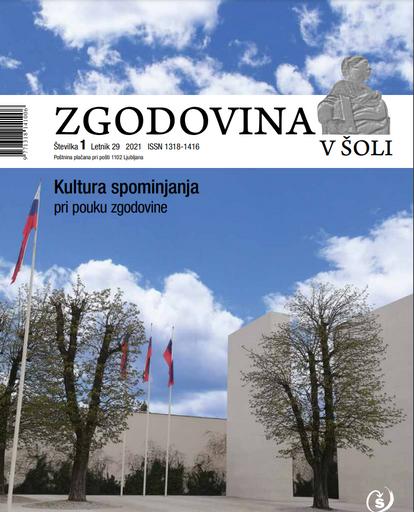
Co-author(s):dr. Vilma Brodnik
Leto:2021
Publisher(s):Zavod RS za šolstvo, Ljubljana
Source(s):Zgodovina v šoli, 2021, št. 1
Language(s):slovenščina
Type(s) of material:text
Rights:
This work by Dragan Potočnik, Tina Gregurec is licensed under Creative Commons Attribution-NonCommercial-ShareAlike 4.0 International
Files (1)
Name:PDFzgvšoli1.pdf
Size:3.66MB
Format:application/pdf
Permanent link:https://hdl.handle.net/11686/file36987
Description
The article focuses on the national knowledge examination in History at the end of grade 9. Students achieved better exam results when History was an elective subject than when it became mandatory. The average percentage of 69.6% in school year 2004/2005 dropped to 46.48% in 2010, and then slightly increased in 2016, i.e. to 51%. In 2013, the results started to improve, which indicates that students gradually accepted the mandatory tests, that teachers worked well with students and that students became more familiar with the way they were tested and the tasks themselves. The lowest results were achieved at the third taxonomy level, where students are required to analyse, interpret and evaluate historical events and provide answers. Similarly, they had more difficulty with tasks that require longer answers, while they had less difficulty each year with tasks that include choices and cues. Relative to topics, students achieved the lowest results in ninth grade topics, mostly because the major part of political history is covered in grade 9. The board of examiners further finds that schools should place more emphasis on teaching key historical events and concepts. The annual analyses of knowledge examination in History and the comparisons between them show, however, that the national knowledge examination is fully realising its purposes and objectives.
Metadata (11)
- identifierhttps://hdl.handle.net/11686/57405
- title
- Nacionalno preverjanje znanja pri predmetu zgodovina
- National knowledge examination in History
- creator
- Dragan Potočnik
- Tina Gregurec
- contributor
- dr. Vilma Brodnik
- description
- The article focuses on the national knowledge examination in History at the end of grade 9. Students achieved better exam results when History was an elective subject than when it became mandatory. The average percentage of 69.6% in school year 2004/2005 dropped to 46.48% in 2010, and then slightly increased in 2016, i.e. to 51%. In 2013, the results started to improve, which indicates that students gradually accepted the mandatory tests, that teachers worked well with students and that students became more familiar with the way they were tested and the tasks themselves. The lowest results were achieved at the third taxonomy level, where students are required to analyse, interpret and evaluate historical events and provide answers. Similarly, they had more difficulty with tasks that require longer answers, while they had less difficulty each year with tasks that include choices and cues. Relative to topics, students achieved the lowest results in ninth grade topics, mostly because the major part of political history is covered in grade 9. The board of examiners further finds that schools should place more emphasis on teaching key historical events and concepts. The annual analyses of knowledge examination in History and the comparisons between them show, however, that the national knowledge examination is fully realising its purposes and objectives.
- publisher
- Zavod RS za šolstvo
- date
- 2021
- 01. 01. 2021
- type
- besedilo
- language
- Slovenščina
- isPartOf
- rights
- license: ccByNcSa
Seznam literature v delu (1)
| Stran | Avtor | Naslov | Vir | Kraj | Založba | Leto |
|---|---|---|---|---|---|---|
| Balkovec, Bojan | Nacionalno preverjanje in ocenjevanje znanja v devetletni osnovni šoli | Zgodovina v šoli | Ljubljana | Zavod Republike Slovenije za šolstvo in šport | 2001 |