/
Periodicals
/
Dve domovini / Two Homelands
Migrational situation in Europe after World War II and progressive (political) adjustments between member stales of the European Union
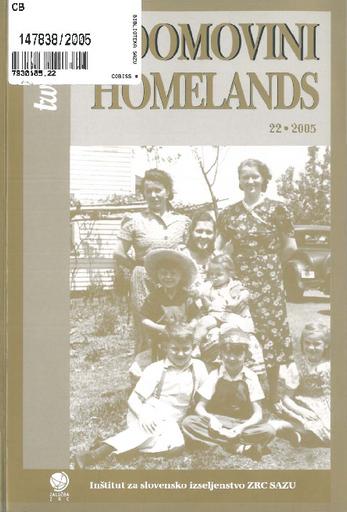
Author(s):Marina Lukšič Hacin
Co-author(s):Marjan Drnovšek (ur.)
Leto:2005
Publisher(s):Inštitut za slovensko izseljenstvo in migracije ZRC SAZU, Ljubljana
Source(s):Dve domovini, 2005, št. 22
Language(s):slovenščina
Type(s) of material:text
Keywords:migracijska politika, Nemčija, Francija, Švedska, Evropska unija, migration policy, Germany, France, Sweden, European Union
Rights:
This work by Marina Lukšič Hacin is licensed under Creative Commons Attribution-NonCommercial-NoDerivs 4.0 International
Files (1)

Name:Dve_domovini_22.pdf
Size:59.15MB
Format:application/pdf
Permanent link:https://hdl.handle.net/11686/file5092
Description
The contribution Migration situation in Europe after World War II and progressive (political) adjustments between EU member states sets in the forefront the following questions: How was the process of shaping a common (compromise) policy on the EU level developing? Which fields ofmigration policy (in a broader sense) does the EU policy set as mandatory for member states and which as recommendable? It tums out that agreements and treaties on the EU level are dealing mainly with the regulation of current immigration to the EU member states, and with regulations that set a regime of migration of immigrants among states. What are the similarities and differences between selected national migration policics (Germany, France, Sweden) after World War II? Were adjustments of individual national poiicies necessary due to EU level agreements? Of which and what were those changes?
Metadata (12)
- identifierhttps://hdl.handle.net/11686/15235
- title
- Migracijska situacija v Evropi po drugi svetovni vojni in postopna (politična) usklajevanja med članicami EGS (EU)
- Migrational situation in Europe after World War II and progressive (political) adjustments between member stales of the European Union
- creator
- Marina Lukšič Hacin
- contributor
- Marjan Drnovšek (ur.)
- subject
- migracijska politika
- Nemčija
- Francija
- Švedska
- Evropska unija
- migration policy
- Germany
- France
- Sweden
- European Union
- description
- Prispevek Migracijska situacija v Evropi po drugi svetovni vojni in postopna (politična) usklajevanja med članicami EGS (EU) postavlja v ospredje naslednja vprašanja: kako je potekal proces izoblikovanja skupne (kompromisne) politike na ravni EU, katera področja migracijske politike (v širšem pomenu) postavlja politika EU kot zavezujoča za države članice, katera so le kot priporočljiva? Kaže se, da se dogovori in sporazumi na ravni EU ukvarjajo predvsem z regulacijo novega priseljevanja v države članice EU ter s pravili, ki postavljajo režim gibanja priseljencev med državami. Kakšne so podobnosti in razlike med izbranimi nacionalnimi migracijskimi politikami (Nemčija, Francija, Švedska) po drugi svetovni vojni? Ali so bila zaradi dogovorov na ravni EU potrebna prilagajanja posameznih nacionalnih politik? Katerih in kakšne so bile spremembe?
- The contribution Migration situation in Europe after World War II and progressive (political) adjustments between EU member states sets in the forefront the following questions: How was the process of shaping a common (compromise) policy on the EU level developing? Which fields ofmigration policy (in a broader sense) does the EU policy set as mandatory for member states and which as recommendable? It tums out that agreements and treaties on the EU level are dealing mainly with the regulation of current immigration to the EU member states, and with regulations that set a regime of migration of immigrants among states. What are the similarities and differences between selected national migration policics (Germany, France, Sweden) after World War II? Were adjustments of individual national poiicies necessary due to EU level agreements? Of which and what were those changes?
- publisher
- Inštitut za slovensko izseljenstvo in migracije ZRC SAZU
- date
- 2005
- type
- besedilo
- language
- Slovenščina
- isPartOf
- rights
- license: ccByNcNd